Soil Permeability & Stormwater Recovery Testing in Florida
The number your drainage design rests on.
Start Your Project
Who needs it
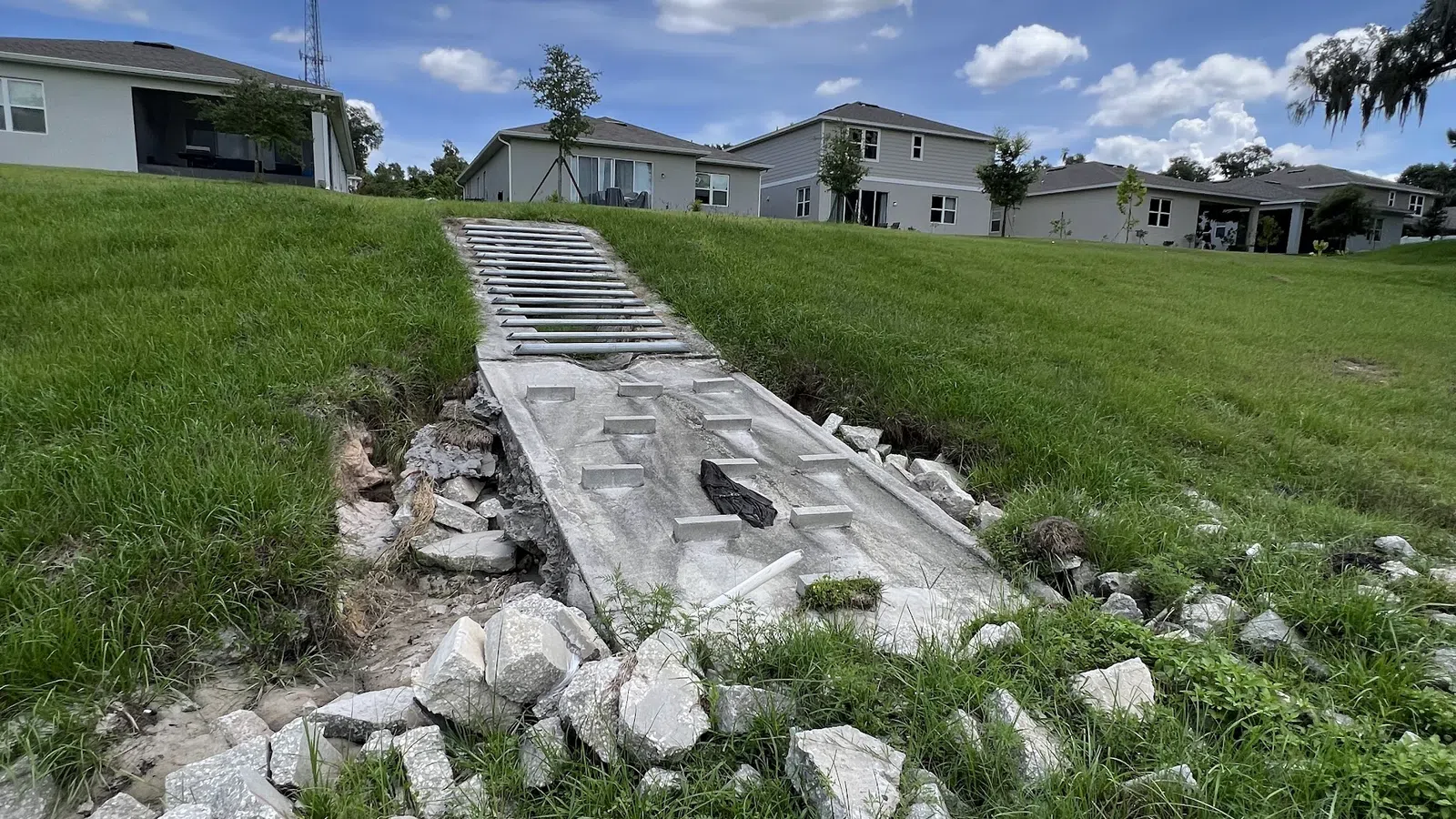
Retention and detention pond design. Exfiltration and underdrain systems. Homeowners and buyers who need to know whether a lot can support a septic system: we test percolation and the seasonal high water table that septic design depends on.
Why it happens at the same time as your borings
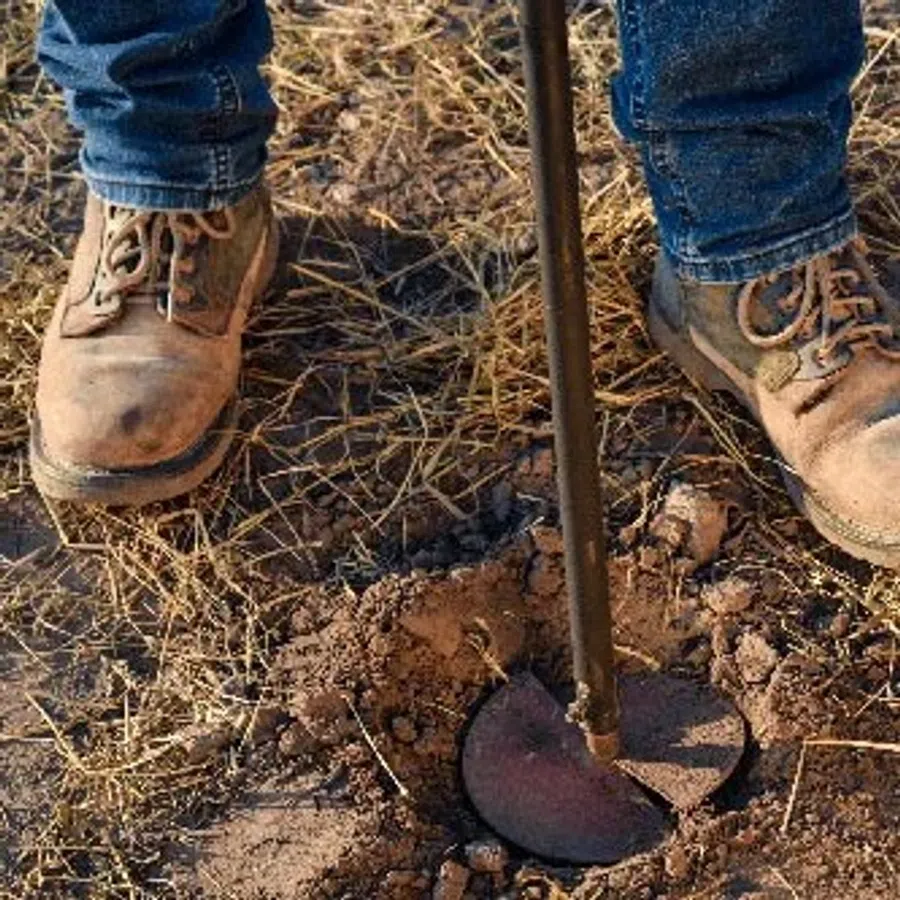
Permeability testing and geotechnical borings use the same equipment, the same crew, and the same mobilization. Running them together instead of as separate scopes usually saves a trip and a week, and it means the foundation recommendations and the drainage design are working from the same subsurface picture.
Permeability testing FAQ
What is the difference between a percolation test and a permeability test?
In practice the terms overlap, and many Florida submittals use them interchangeably. Percolation test more often refers to the shallow, simpler procedure used for septic system sizing. Permeability testing usually refers to the measurement of hydraulic conductivity at depth for stormwater design. Tell us which agency is reviewing and we will run what they accept.
How long does permeability testing take?
Field testing is usually completed in a single mobilization, often the same day as the borings. Results and the recovery analysis follow within the geotechnical report. If the drainage design is on the critical path, say so and we will report the permeability values ahead of the full report.
What if my site does not percolate well?
That is a common finding in Florida and it is a design question rather than a dead end. Options include a larger retention area, an underdrain system, exfiltration trenches, or a different discharge strategy. What matters is knowing before the site plan is fixed rather than after the permit reviewer sends it back.