Engineering and Due Diligence for Commercial Property
Usually a closing date is driving it.
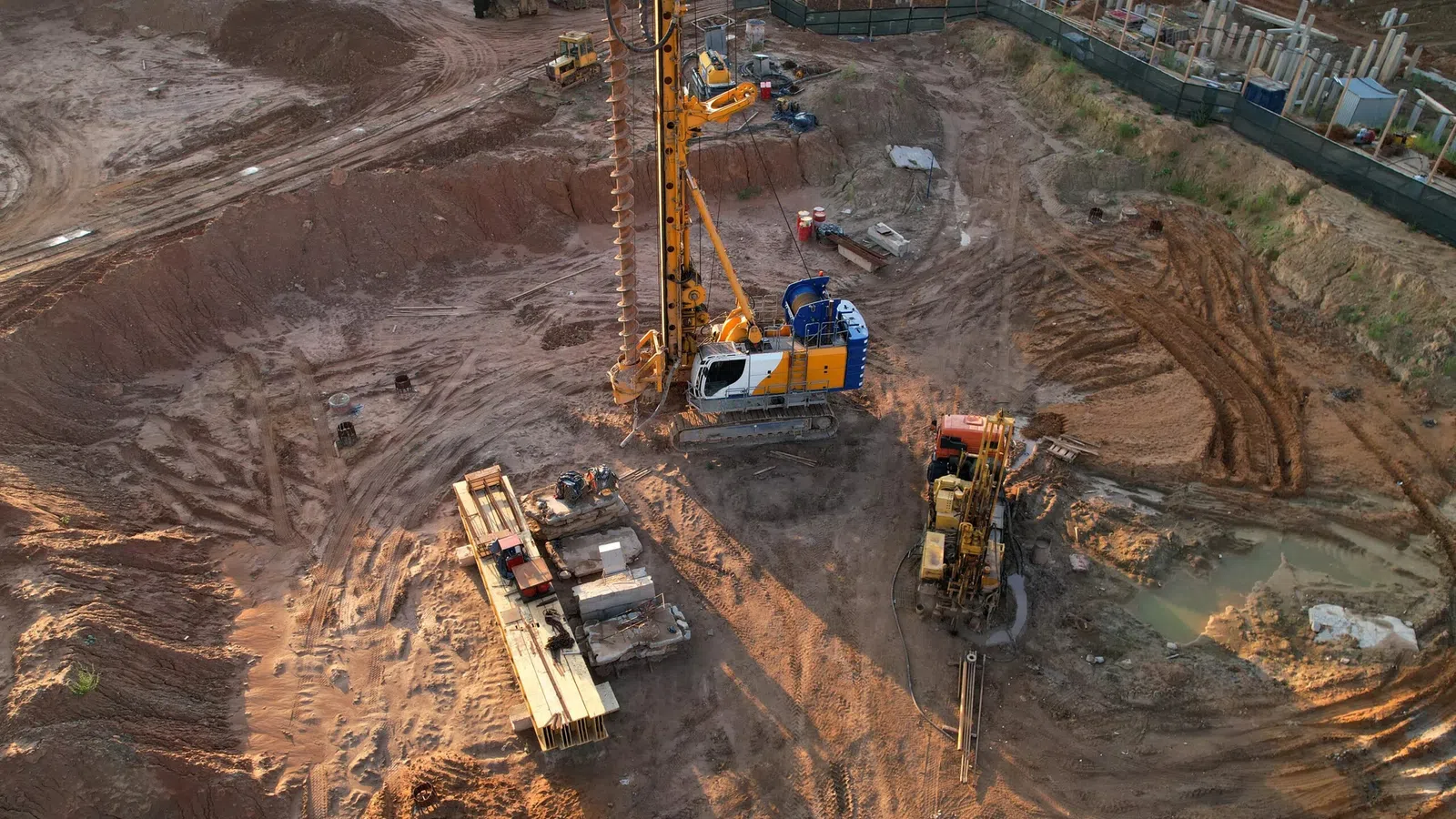
Commercial projects often have firm deadlines, whether a lender requires a Phase 1 assessment before funding, a buyer works within a due diligence window, or an association faces a compliance deadline. Because we run the assessments, direct the drilling, and test in our own laboratory, the schedule stays under our control.
Start Your Project
Building condition and structural questions
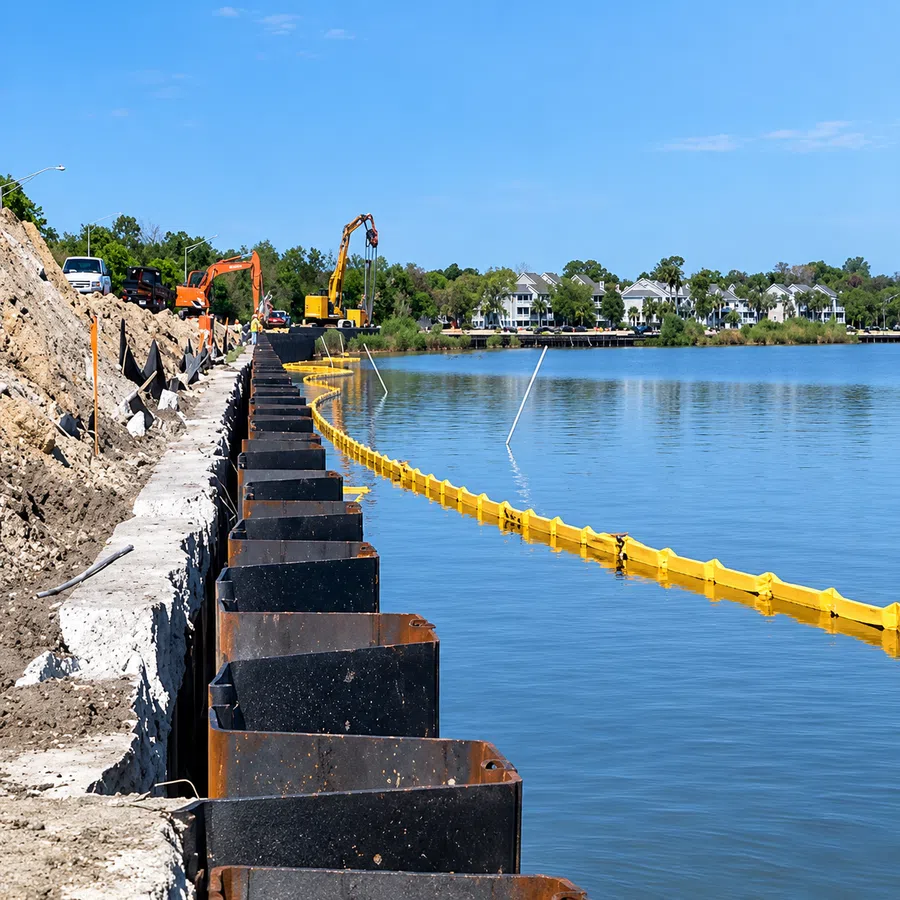
Foundation evaluations, structural inspections, ground depression assessments, and pond failure investigations, each sealed by a licensed Florida Professional Engineer. The seal is what building departments, lenders, insurers, and boards require before they will rely on the finding.
A commercial program: RaceTrac Petroleum
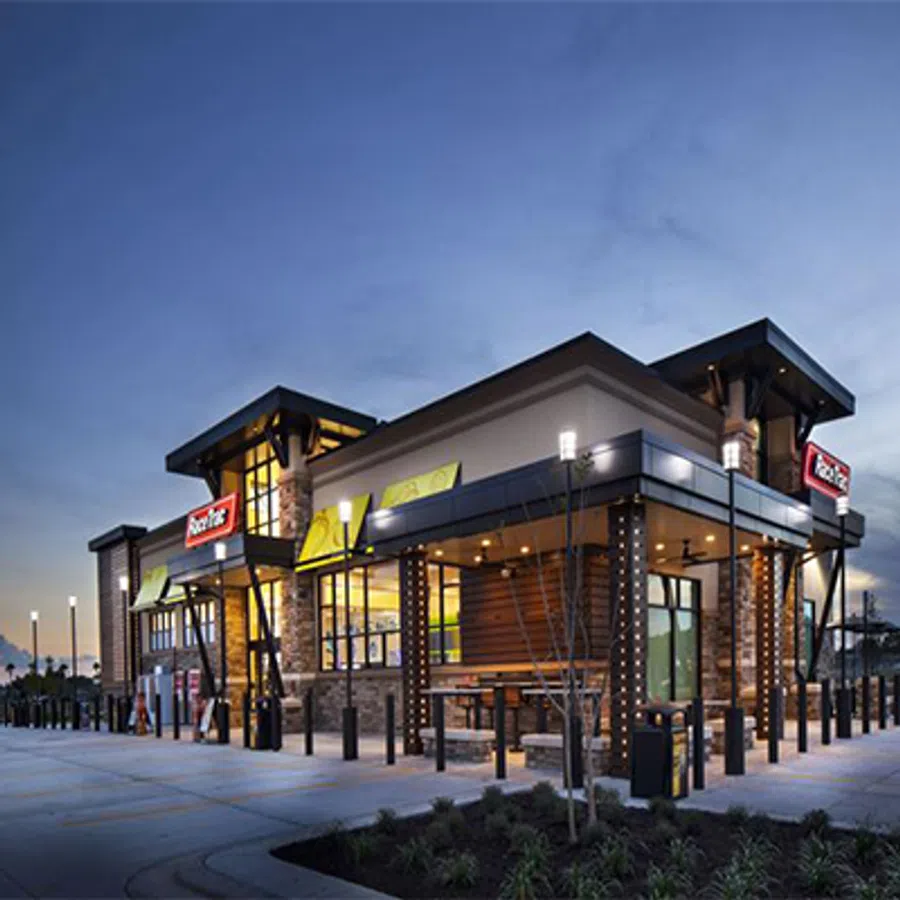
We have completed geotechnical studies for more than forty existing and new RaceTrac service stations across Florida: preliminary site investigations, soil borings, laboratory testing, settlement analyses for building foundations, canopy foundation recommendations, underground storage tank foundation preparation, and pavement sections.
Multi-site programs reward consistency. The same scope, the same laboratory, and the same report format across forty sites is worth more to an owner than a slightly cheaper one-off.
Common questions
How long does a Phase 1 ESA take?
Typically ten to fifteen business days. What most often extends it is records availability, which varies by county, and some Florida jurisdictions return municipal file reviews more slowly than others. If your closing is tighter than that, tell us on the first call and we will tell you honestly whether it is workable.
How long is a Phase 1 ESA valid?
Components older than 180 days must be updated, and a report older than one year cannot be used to establish landowner liability protections under the All Appropriate Inquiries rule. If your closing has slipped past either threshold the report needs a formal update, which is faster and costs less than a new assessment.
Can you handle the environmental and the geotechnical work together?
Yes, and on a development site that is usually the cheaper route. One mobilization can cover soil borings for foundation design and sampling for a site assessment, and the same laboratory runs both.