Emergency Response and Post-Storm Engineering in Florida
After the water goes down.
We assess what the storm did below grade and document it in a form your insurer, your building department, and if it comes to it your attorney can rely on.
Start Your Project
What we assess after a storm
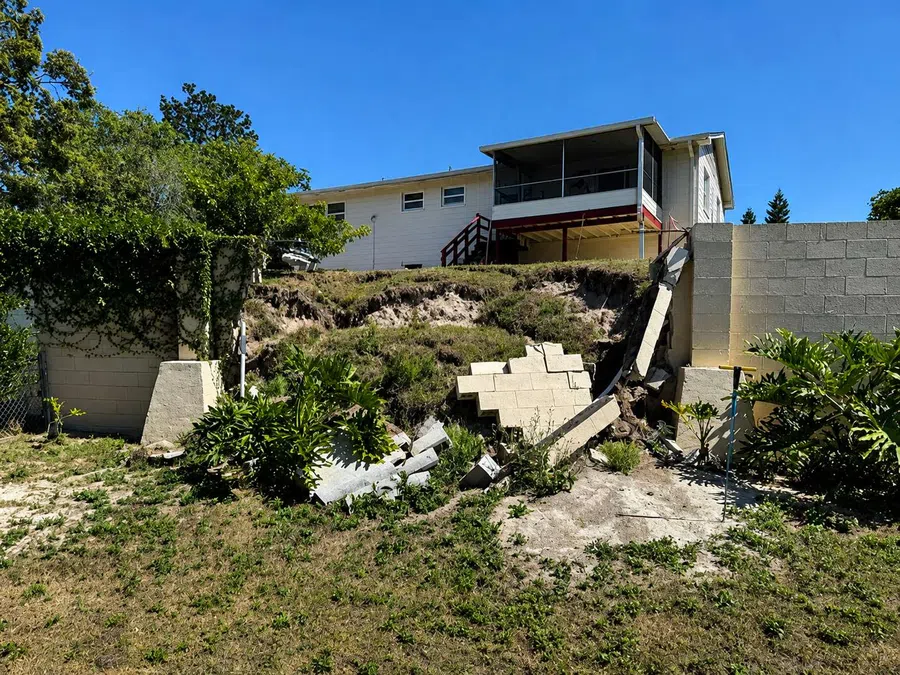
Water moves soil, and moved soil shows up as cracks, rotation, and settlement long after the storm has passed. Bechtol investigates seawalls, embankments, and structures along Florida's coast and waterways to identify what's failing below grade and why. We have also provided emergency engineering evaluations for local government agencies during post-disaster recovery.
After Hurricanes Ian, Nicole, and Milton, we designed seawalls for oceanfront property and other navigable waterways, retaining walls, erosion control, and foundation repairs across our community and state.
Documentation for the claim
A sealed report stating what was observed, what was tested, what the results were, and what conclusion they support, with the limitations named honestly. Reports that overreach past their evidence are the ones that fall apart later, which is why we do not write them that way.
Getting to you
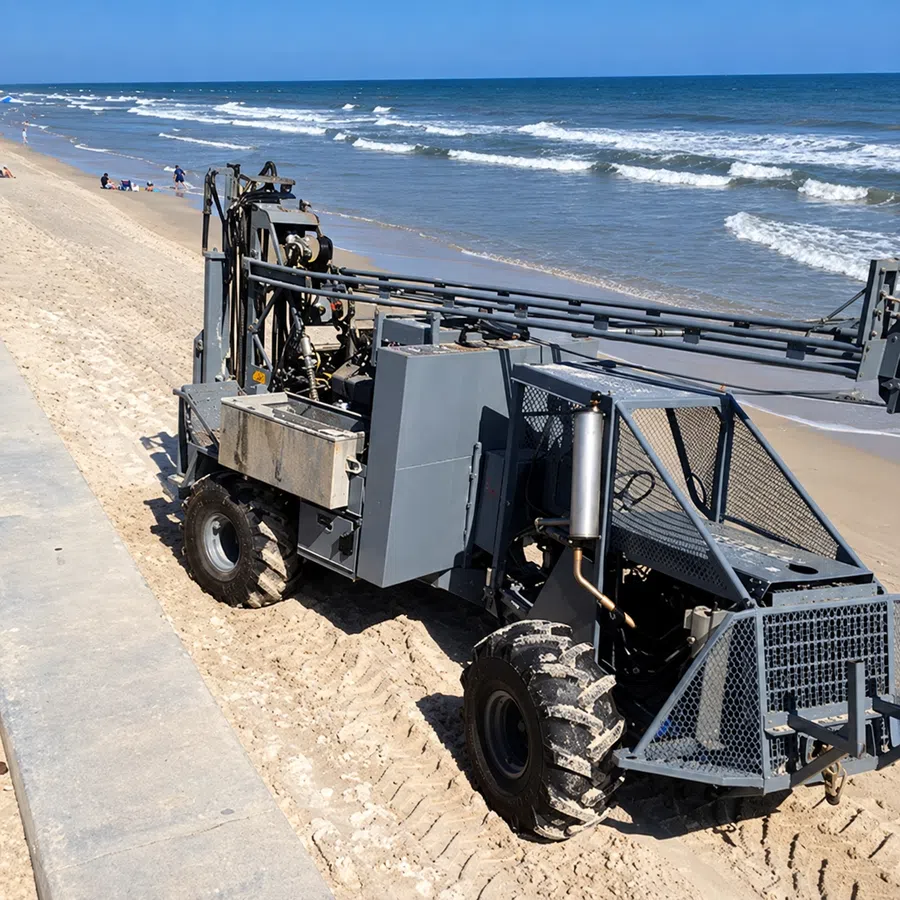
Post-event demand is the one situation where every firm in the state is busy at once. We schedule our own crews and rigs, with all five rig types available, which is the difference between a queue we control and one we do not. Call and we will tell you honestly where you sit in the schedule rather than promising a date that will slip.
Frequently Asked Questions
How soon after a storm should I get an assessment?
As soon as the site is safe to access. Two reasons: subsurface damage progresses, and documentation gathered close to the event is more useful to a claim than documentation gathered months later. If you can photograph conditions safely before anything is moved or repaired, do that.
Will you work directly with my insurance carrier?
We provide the engineering report and the sealed certification. Our finding does not change based on who retained us, which is the only thing that makes it worth anything to either side.
Can you also design the repair?
Yes. Where a repair is needed we can carry the finding through to a sealed design and, for foundation and anchoring work, install to that design through BTR Foundation Services. Where independence needs to be preserved for a legal matter, we can limit our role to the investigation.